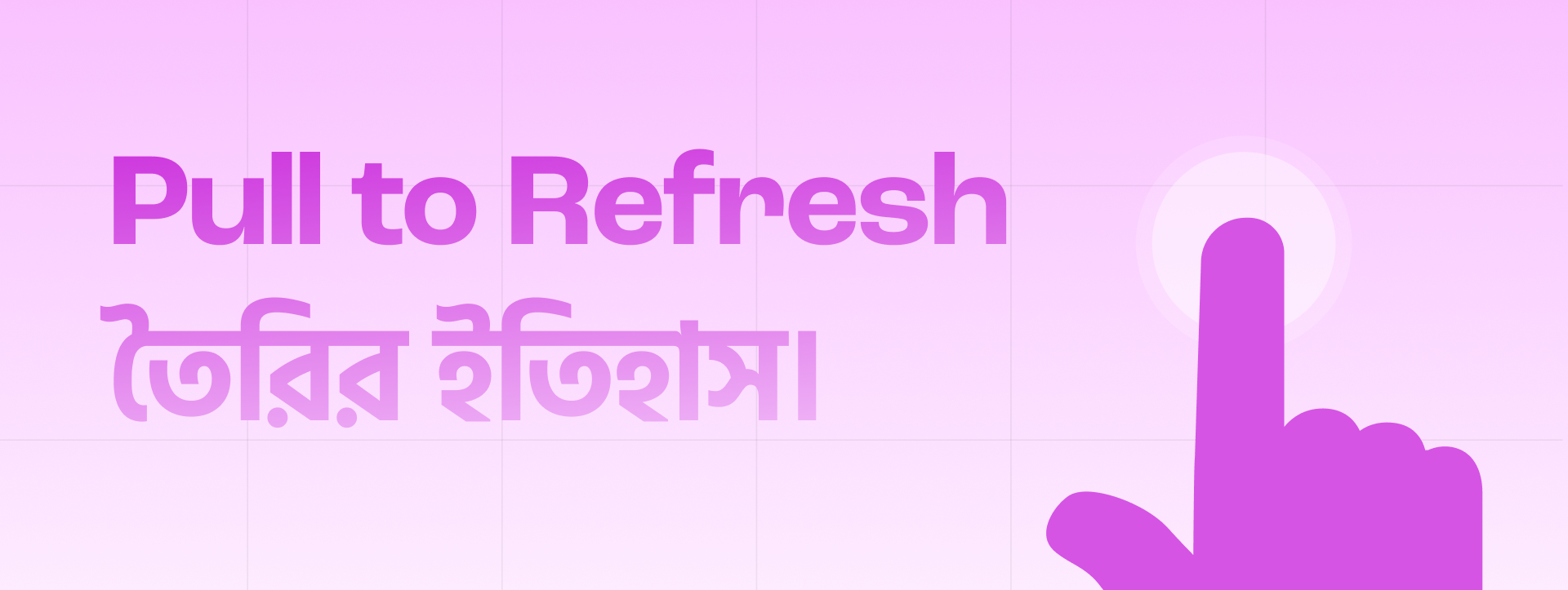
আজ আমরা স্ক্রিনটা নিচের দিকে টানি। আর জানি নতুন কিছু আসছে। এতটাই স্বাভাবিক লাগছে যে ভাবিই না? এই জেসচারটা কীভাবে এল? ২০০৯–২০১০ সালের দিকে স্মার্টফোন অ্যাপগুলোতে একটা বড় UX সমস্যা ছিল। ডাটা আপডেট হবে কীভাবে, এটা বোঝানোর কোনো পরিষ্কার উপায় ছিল না।
Refresh button দিলে screen clutter হতো। আর ছোট স্ক্রিনে আলাদা বোতাম মানে আরও confusion। তখন Twitter-এর iOS অ্যাপ নিয়ে কাজ করছিলেন Loren Brichter। তিনি একটা simple observation করেন, মানুষ তালিকা (list) দেখলে স্বাভাবিকভাবেই আঙুল দিয়ে টানে। এই টানার মধ্যেই তিনি একটা অর্থ ঢুকিয়ে দেন।
যদি আপনি নিচে টানেন, মানে নতুন কিছু দেখতে চান। এভাবেই জন্ম নেয় Pull to Refresh। কোনো tutorial ছাড়াই মানুষ বুঝে যায় টান মানে request, ছাড় মানে action। এটা কোনো visual design trick না। এটা ছিল pure interaction design। মানুষ যেভাবে বাস্তবে কিছু আনে,UI ঠিক সেই আচরণটাই ধার নেয়।
এরপর যা হলো এই pattern industry standard হয়ে গেল। iOS, Android, সব জায়গায় adopt হলো। কারণ এটা শেখাতে হয় না। মানুষ instinctively ধরে নেয়। আজ আমরা gesture-based UI-তে অভ্যস্ত। কিন্তু Pull to Refresh আমাদের শেখায়, ভালো UX মানে feature যোগ করা না, ভালো UX মানে মানুষের স্বাভাবিক আচরণকে সম্মান করা।
ডিজাইনে সবচেয়ে শক্তিশালী জিনিসগুলো সবচেয়ে quiet হয়। Pull to Refresh কখনো shout করে না। কিন্তু কাজ ঠিকই করে। আমার কাছে এটা মনে করিয়ে দেয়, যখন ডিজাইন মানুষের অভ্যাসের সাথে মিলে যায়, তখন সেটাকে আর explain করতে হয় না।
.
.
From: iOS Human Interface Guidelines
Helping founders and teams create clear, usable experiences with systems built for long-term growth.

Before we jump into design, These FAQs will give you a behind-the-scenes look at my process, workflow, and what collaboration with me actually feels like.
Every project starts with understanding your goals. I take time to learn about your product, users, and vision then translate that into a design strategy that connects creativity with business growth.
Absolutely. Many founders come with a concept, not a clear structure — I help refine that idea, define user journeys, and turn it into a product-ready direction.
I design SaaS platforms, web apps, mobile apps, and landing pages — anything that helps startups grow and scale through thoughtful, system-driven design.
Typically, I deliver MVP designs within 7–10 days, depending on complexity.
Each design is fast, focused, and built with scalability in mind.
Always. Your idea, assets, and product details stay completely private. I take confidentiality seriously in every project I work on.