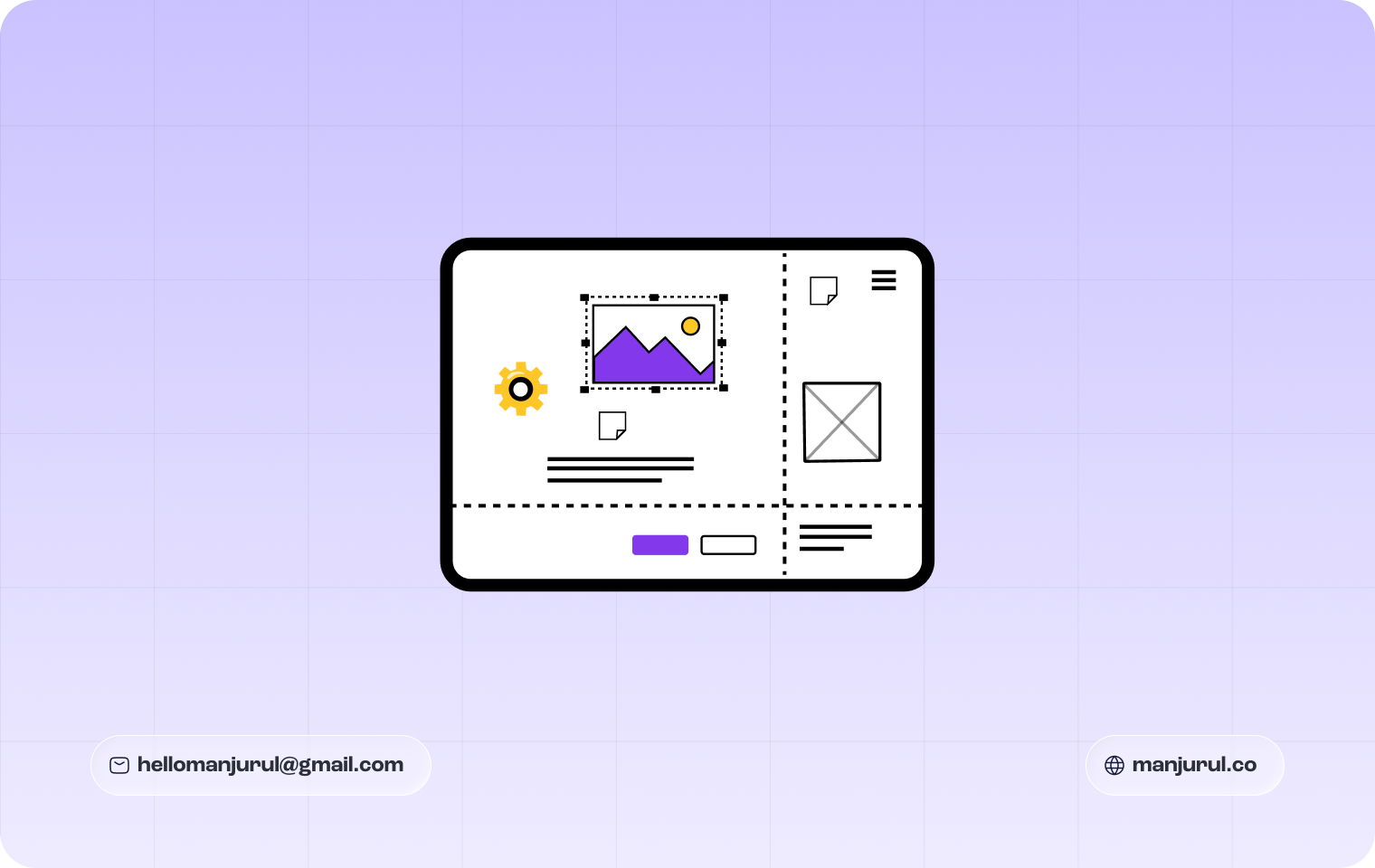
Most people judge UI design by how it looks but I don’t. A beautiful interface means very little if users struggle to understand it. Over the years, I’ve observed that products with average visuals often outperform those with stunning interfaces. Not because they looked better, but because they felt easier to use.
Users could find what they needed, complete tasks faster, and move through the product without friction. That’s the real purpose of UI design. Good UI isn’t about making screens look modern. It’s about making products easier to understand.
Every design decision from spacing and typography to hierarchy and component structure influences how people interact with a product. When those decisions are intentional, users feel confident. When they’re not, even the most polished interface begins to create confusion.
UI is often treated as the final layer of a product. Something that makes the experience look better before launch. In reality, UI directly influences usability, efficiency, trust, and product adoption. Users don’t experience products through wireframes, user flows, or strategy documents. They experience the interface.
That’s why small visual decisions often create large business outcomes. A clear call-to-action can improve conversions. A better hierarchy can reduce support requests. A more structured interface can increase feature adoption. Good UI doesn’t just improve aesthetics. It improves product performance.
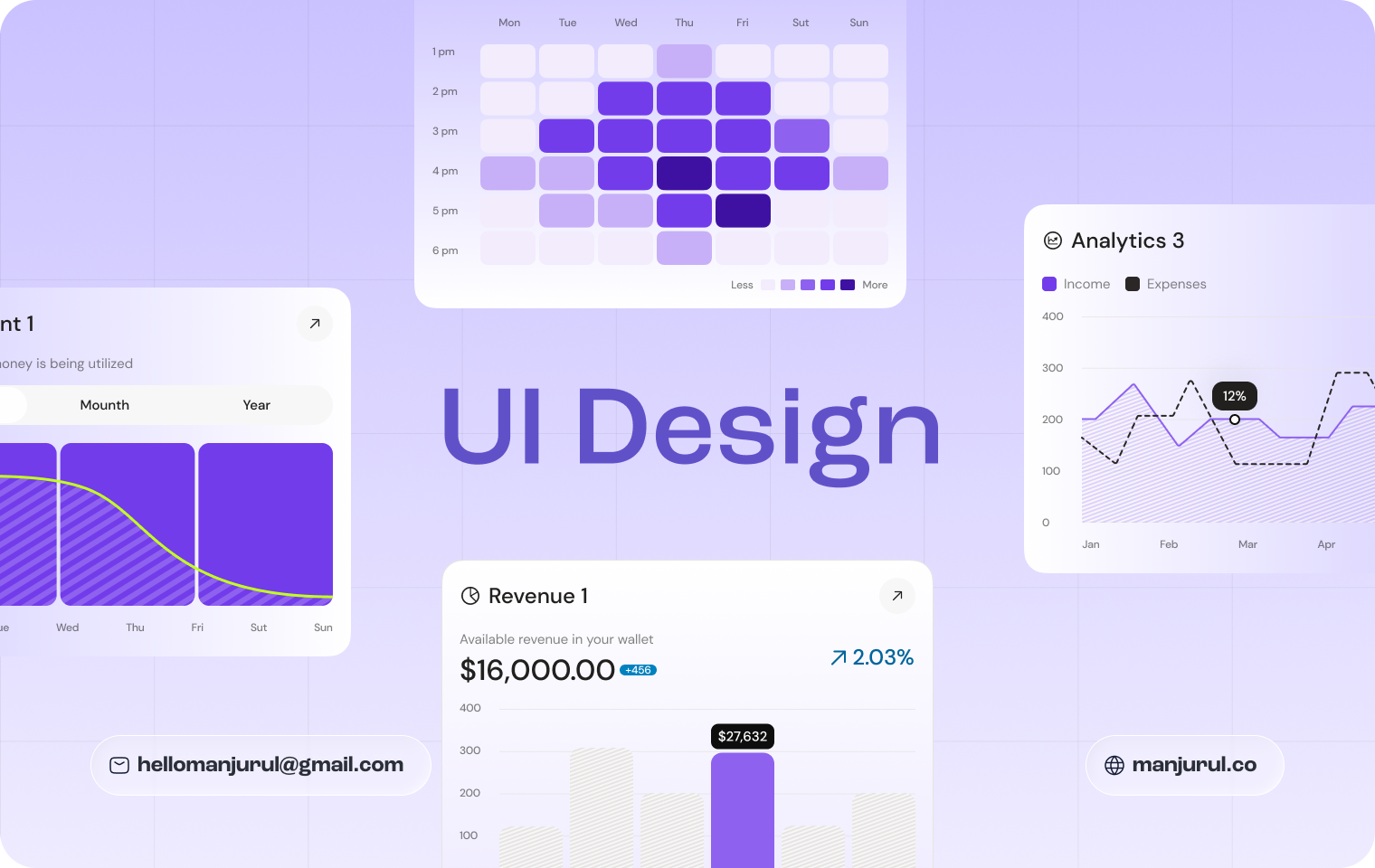
Strong interfaces usually have a few things in common. First, they’re clear. Users understand what they’re looking at without effort. Second, they have strong hierarchy. Important information naturally receives more attention than secondary content.
Third, they’re consistent. Similar actions behave in similar ways, reducing the need for users to learn new patterns repeatedly. And finally, they’re focused. Every element exists for a reason. The best interfaces don’t feel overloaded. They feel intentional.
One mistake I see frequently is designing for presentation instead of usability. The interface looks impressive in a design review, but users struggle once they start interacting with it. Another common issue is trying to solve problems by adding more UI.
❗· More cards.
❗· More buttons.
❗· More controls.
❗· More options.
But complexity rarely creates better experiences. Most of the time, better design comes from removing unnecessary decisions and helping users focus on what matters.
Whenever I review an interface, I ask a few simple questions:
⭐ · Can users immediately understand where they are?
⭐ · Can they identify the primary action without searching?
⭐ · Does every element contribute to a decision or outcome?
⭐ · Would removing something improve clarity?
These questions often reveal usability issues much faster than visual feedback alone.
Great UI design isn’t about trends, effects, or decoration. It’s about creating clarity. When users can understand information quickly, make decisions confidently, and complete tasks without friction, the interface is doing its job. That’s the standard I aim for in every product I design. Because the best interfaces aren’t the ones users notice. They’re the ones that help users achieve their goals effortlessly.
Helping founders and teams create clear, usable experiences with systems built for long-term growth.

Before we jump into design, These FAQs will give you a behind-the-scenes look at my process, workflow, and what collaboration with me actually feels like.
Every project starts with understanding your goals. I take time to learn about your product, users, and vision then translate that into a design strategy that connects creativity with business growth.
Absolutely. Many founders come with a concept, not a clear structure — I help refine that idea, define user journeys, and turn it into a product-ready direction.
I design SaaS platforms, web apps, mobile apps, and landing pages — anything that helps startups grow and scale through thoughtful, system-driven design.
Typically, I deliver MVP designs within 7–10 days, depending on complexity.
Each design is fast, focused, and built with scalability in mind.
Always. Your idea, assets, and product details stay completely private. I take confidentiality seriously in every project I work on.